HOME
  1
» Latium civilization

» Legio Parthica

» Middle Ages

» Albano Museum

» Emissary of the Albano lake


» Tomb of the Horatii e Curiatii

» Pompey's villa

» Roman villa at Cavallacci

» Camp of the Legio II Partica (Castra Albana)

» Porta Pretoria and Porta Principalis sinistra of the camp




Latium Civilization finds (11th - 7th cent. B.C.) on display in the Museum.

According to the tradition, which is borne out by archaeological evidence, the name of the city of Albano is derived directly from the name of Alba Longa, the capital of the Latin peoples and parent city of Rome.

However, finds of flint tools dating back to the palaeolithic (300,000 - 10,000 years ago) and to the neolithic ages point to the presence of human activity in the Albano area at a much earlier date.

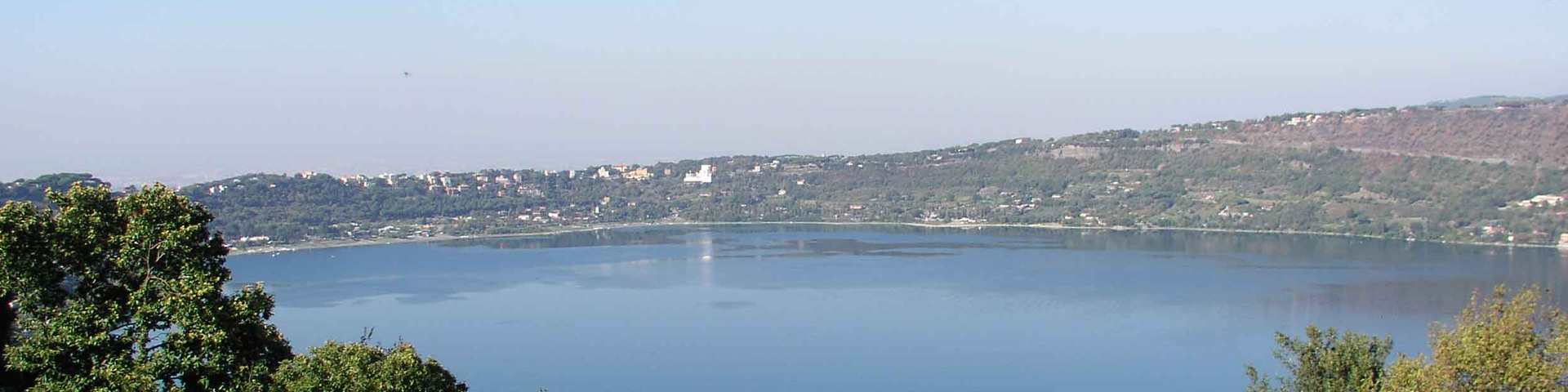
With the advent of the Latin civilization and the settlement of the ancient Alban peoples along the ridges of the crater of the Albano lake in the 11th  cent. B.C., the area began to be much more densely populated and kings of Alba Longa ruled over Latium for several centuries until Rome, the city founded by the Alban princes Romulus end Remus, replaced Alba as the leading city of the Latin peoples. 


next »

» Cistern

»
The baths of Cellomaio

»
Amphitheatre

»
Catacomb of St. Senator

»
The Cathedral

»
Church of San Pietro Apostolo

»
Santa Maria della Rotonda

»
Convent and Church of San Paolo

»
Convent and Church of the Cappuccini

» Convent and Church of Santa Maria della Stella

» Chapel of the Diocesan Seminary